How Can Sheet Metal Hooks Improve Strength and Efficiency in Industrial Applications?
Article Summary
Sheet metal hooks are widely used across industries for fastening, hanging, and structural support. However, many buyers face challenges such as insufficient load capacity, corrosion issues, and inconsistent quality. This guide provides a comprehensive understanding of how sheet metal hooks function, their advantages, material considerations, and how to select the right type for your application. By the end, you will have a clear strategy to improve durability, safety, and cost efficiency.
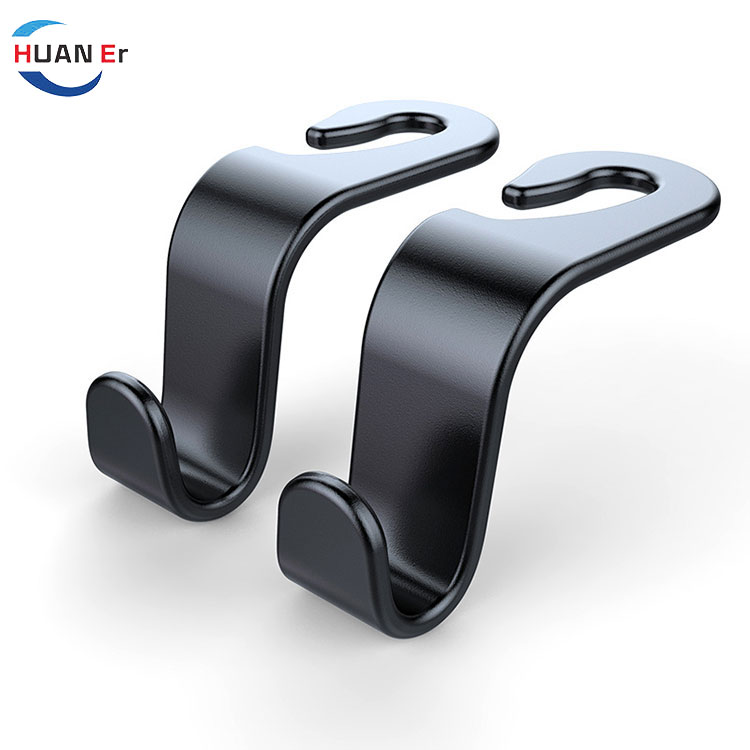
Table of Contents
- 1. What Are Sheet Metal Hooks?
- 2. How Do Sheet Metal Hooks Work?
- 3. Common Customer Pain Points
- 4. Materials and Performance Comparison
- 5. Key Design Features
- 6. How to Choose the Right Sheet Metal Hooks
- 7. Applications Across Industries
- 8. Installation and Maintenance Tips
- 9. Frequently Asked Questions
- 10. Conclusion
1. What Are Sheet Metal Hooks?
Sheet metal hooks are precision-formed components manufactured from metal sheets through processes such as stamping, bending, and cutting. These hooks are engineered to provide reliable support for hanging, fastening, or securing objects in a wide range of applications.
They are commonly made from stainless steel, carbon steel, or aluminum, offering a balance between strength, flexibility, and corrosion resistance. Their simple structure allows for cost-effective mass production while maintaining high performance.
2. How Do Sheet Metal Hooks Work?
Sheet metal hooks function by distributing load forces across their curved or angled structure. When weight is applied, the hook transfers the load to its mounting surface, reducing stress concentration and minimizing the risk of deformation.
- Load is applied to the curved section
- Force is transferred to the base or mounting point
- Material strength resists bending or failure
Proper design ensures that the hook maintains its shape under load, providing long-term stability and safety.
3. Common Customer Pain Points
Many customers encounter issues when selecting or using sheet metal hooks. Understanding these problems helps in making better purchasing decisions.
- Insufficient Load Capacity: Hooks may bend or fail under heavy loads
- Corrosion and Rust: Poor material selection leads to reduced lifespan
- Inconsistent Quality: Low manufacturing standards cause variability
- Improper Fit: Hooks may not align with installation requirements
- Surface Damage: Sharp edges or poor finishing can damage attached items
Addressing these challenges requires attention to both material quality and manufacturing precision.
4. Materials and Performance Comparison
| Material | Strength | Corrosion Resistance | Cost | Best Use Case |
| Stainless Steel | High | Excellent | Medium-High | Outdoor and harsh environments |
| Carbon Steel | Very High | Low (unless coated) | Low | Heavy-duty indoor use |
| Aluminum | Medium | Good | Medium | Lightweight applications |
Choosing the right material directly impacts durability, safety, and long-term cost efficiency.
5. Key Design Features
High-quality sheet metal hooks incorporate several design elements that enhance performance and usability.
- Rounded Edges: Prevent damage to cables or materials
- Reinforced Bends: Increase load-bearing capacity
- Surface Coating: Improves corrosion resistance
- Precision Dimensions: Ensure proper fit and alignment
Manufacturers like Huaner focus on precision engineering to deliver consistent and reliable products for industrial use.
6. How to Choose the Right Sheet Metal Hooks
Selecting the correct hook requires evaluating several factors based on your application.
- Load Requirements: Determine maximum weight capacity
- Environment: Consider humidity, temperature, and exposure
- Installation Method: Wall-mounted, ceiling-mounted, or integrated
- Material Compatibility: Ensure compatibility with attached items
- Compliance Standards: Verify safety and quality certifications
Working with a trusted supplier ensures that these factors are properly addressed, reducing risks and improving performance.
7. Applications Across Industries
Sheet metal hooks are versatile components used in multiple sectors.
- Construction and building systems
- Electrical installations and cable management
- Automotive and mechanical assemblies
- Warehouse storage and logistics
- Home and commercial organization
Their adaptability makes them essential for both structural and organizational purposes.
8. Installation and Maintenance Tips
Proper installation and maintenance extend the lifespan of sheet metal hooks and ensure safe operation.
- Use appropriate fasteners for secure mounting
- Avoid exceeding load limits
- Inspect regularly for signs of wear or corrosion
- Clean and protect surfaces to maintain finish
Routine checks help prevent unexpected failures and maintain system integrity.
9. Frequently Asked Questions
Q1: What is the typical load capacity of sheet metal hooks?
Load capacity varies depending on material, thickness, and design. Always refer to manufacturer specifications for accurate limits.
Q2: Are sheet metal hooks suitable for outdoor use?
Yes, especially when made from stainless steel or coated materials that resist corrosion.
Q3: Can sheet metal hooks be customized?
Many manufacturers offer customization in size, shape, and material to meet specific application requirements.
Q4: How do I prevent hooks from rusting?
Choose corrosion-resistant materials or apply protective coatings such as galvanization or powder coating.
10. Conclusion
Sheet metal hooks play a vital role in improving efficiency, safety, and organization across various industries. By understanding their design, material options, and application requirements, users can make informed decisions that enhance performance and reduce long-term costs.
Huaner provides high-quality sheet metal hook solutions designed to meet diverse industrial needs with precision and reliability.
If you are looking for durable, customizable, and cost-effective sheet metal hooks, contact us today to discover how our solutions can support your projects and improve your operational efficiency.