How Do Iron-Based and Aluminum-Based Sheet Metal Brackets Differ in Load Capacity and Application?
Xiamen Huaner Technology Co., Ltd. highlights how Sheet Metal Brackets made from iron-based and aluminum-based materials perform differently in load capacity, durability, and practical applications, helping industries make more suitable material choices for various projects.
Understanding the Material Differences Behind Sheet Metal Brackets
In modern industrial production, bracket components may appear simple, but their material selection directly affects equipment stability, service life, and overall performance. Among various options, iron-based and aluminum-based sheet metal solutions are widely used because each material has unique advantages.
Iron-based materials are often selected when strength and structural support are the main priorities. Aluminum-based materials, on the other hand, are valued for their lightweight characteristics, corrosion resistance, and flexibility in applications where reducing overall weight matters.
Xiamen Huaner Technology Co., Ltd. focuses on customized metal processing solutions, including aluminum-zinc alloy die casting, injection molding, stamping processing, sheet metal processing, and precision CNC machining. With professional design and production capabilities, the company provides insights into how different materials influence product performance.
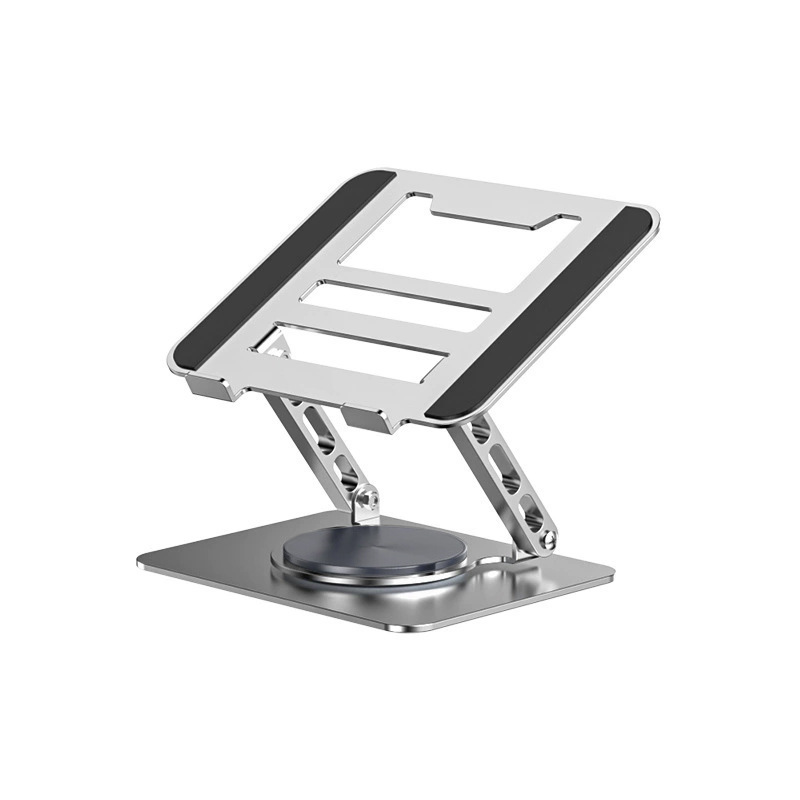
Load Capacity: Strength Versus Weight Balance
The biggest difference between iron-based and aluminum-based brackets is their ability to handle heavy loads. Iron-based materials generally have higher density and stronger structural rigidity, making them suitable for applications requiring continuous support under heavier pressure.
Aluminum-based materials have a lower density, which means they are much lighter while still providing reliable strength for many industrial uses. For projects where transportation, installation efficiency, or equipment weight control is important, aluminum-based options often provide practical advantages.
However, load capacity is not determined by material alone. Design structure, thickness, connection method, and manufacturing precision all influence the final performance of Sheet Metal Brackets.
| Comparison Factor | Iron-Based Brackets | Aluminum-Based Brackets |
|---|---|---|
| Material Density | Higher density and heavier structure | Lower density and lightweight design |
| Load Support | Excellent for heavy-duty applications | Suitable for moderate load requirements |
| Corrosion Resistance | Requires surface treatment for better protection | Naturally better resistance to corrosion |
| Installation | May require more effort due to weight | Easier handling and installation |
| Common Uses | Heavy equipment, industrial frames, structural supports | Electronics, transportation equipment, lightweight structures |
Application Scenarios: Choosing the Right Material
Different industries have different requirements, which is why material selection has become an important part of product design.
Iron-based brackets are commonly used in environments where mechanical strength is critical. Industrial machinery, construction equipment, and large supporting structures often benefit from the stable performance of iron-based components.
Aluminum-based brackets are increasingly used in industries that focus on efficiency and lightweight design. Electronics equipment, automotive parts, communication devices, and modern machinery often require components that reduce weight without sacrificing reliability.
For example, a large industrial machine may need an iron-based support bracket to maintain stability during long-term operation. Meanwhile, a precision electronic device may benefit more from an aluminum-based bracket because it helps reduce total product weight and improves resistance to environmental changes.
Manufacturing Technology Also Affects Performance
Material selection is only one part of creating reliable metal components. Advanced processing technology plays an equally important role.
Xiamen Huaner Technology Co., Ltd. combines mold design, precision CNC milling and turning, stamping, and sheet metal processing capabilities to support different product requirements. Through careful design and controlled production processes, manufacturers can improve dimensional accuracy, surface quality, and structural consistency.
Modern Sheet Metal Brackets are often customized according to specific application needs. Factors such as installation space, operating environment, vibration resistance, and expected service period must be considered before deciding on the ideal material and structure.
Why Lightweight Design Is Becoming More Important
As industries continue to improve efficiency, lightweight design has become a noticeable trend. Reducing component weight can help simplify installation, lower transportation pressure, and improve the overall efficiency of finished products.
This does not mean aluminum-based materials will replace iron-based materials completely. Instead, both materials continue to play important roles in different fields. The right choice depends on the balance between strength requirements, environmental conditions, and practical usage.
For engineers and product designers, understanding these differences helps avoid unnecessary costs caused by selecting unsuitable materials. A carefully designed bracket can improve equipment reliability while supporting long-term operational goals.
Future Trends in Metal Component Development
The demand for customized metal components continues to grow as industries move toward smarter and more efficient equipment designs. Manufacturers are exploring improved processing methods, advanced surface treatments, and optimized structures to enhance the performance of metal parts.
With experience in metal product development and precision processing, Xiamen Huaner Technology Co., Ltd. continues to follow industry changes and provide technical solutions that match different application needs. The combination of material knowledge and manufacturing capability is becoming increasingly important in modern production.
In summary, iron-based and aluminum-based Sheet Metal Brackets each offer distinct advantages. Iron-based options provide strong load-bearing performance, while aluminum-based options offer lightweight and corrosion-resistant benefits. Understanding these differences allows better decisions for different applications. Xiamen Huaner Technology Co., Ltd. supports diverse industrial requirements through its customized Sheet Metal Brackets and comprehensive metal processing services.