How Can Silicone Rubber Keypad Improve Product Performance and User Experience?
Article Summary
Silicone Rubber Keypads have become an essential component in modern electronic devices because they offer durability, excellent tactile feedback, environmental resistance, and flexible customization options. From industrial equipment and medical devices to consumer electronics and automotive systems, manufacturers increasingly rely on silicone keypads to enhance product reliability and user satisfaction.
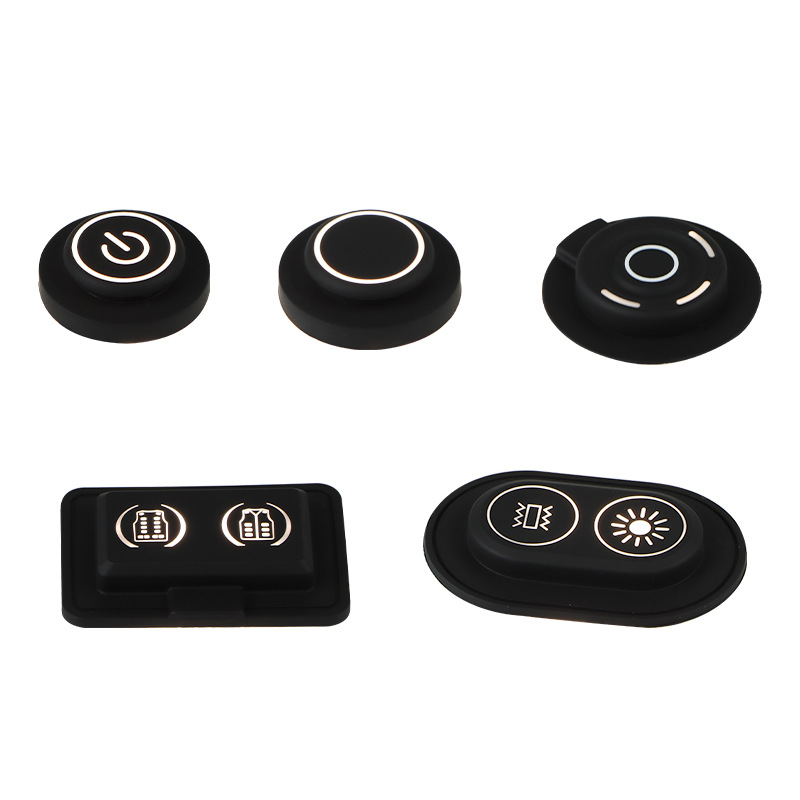
This guide explains how Silicone Rubber Keypads work, their advantages, material selection considerations, design options, common challenges, and how to choose a reliable manufacturing partner. If you are developing a new electronic product or upgrading an existing one, this article will help you make informed decisions while reducing production risks and long-term maintenance costs.
Table of Contents
- 1. What Is a Silicone Rubber Keypad?
- 2. How Does a Silicone Rubber Keypad Work?
- 3. Why Are Silicone Rubber Keypads So Popular?
- 4. Which Industries Use Silicone Rubber Keypads?
- 5. How to Choose the Right Silicone Rubber Keypad?
- 6. Customization Options Available
- 7. Common Customer Pain Points and Solutions
- 8. Silicone Rubber Keypad vs Other Input Technologies
- 9. How to Select a Reliable Manufacturer
- 10. Conclusion
- 11. FAQ
Outline
- Introduction to Silicone Rubber Keypads
- Working Principles
- Core Advantages
- Industrial Applications
- Selection Criteria
- Customization Possibilities
- Common Problems and Solutions
- Technology Comparison
- Manufacturer Selection Guide
- Frequently Asked Questions
1. What Is a Silicone Rubber Keypad?
A Silicone Rubber Keypad is a flexible human-machine interface component manufactured from high-quality silicone elastomer materials. It allows users to input commands through physical buttons that activate conductive contacts underneath.
Unlike ordinary plastic buttons, silicone keypads provide a soft touch sensation, excellent rebound characteristics, and superior environmental protection.
They are widely integrated into:
- Medical equipment
- Industrial control panels
- POS systems
- Smart home products
- Remote controls
- Automotive electronics
- Security systems
- Consumer electronics
Their popularity comes from their ability to combine functionality, durability, and aesthetic flexibility into one compact solution.
2. How Does a Silicone Rubber Keypad Work?
The working mechanism is relatively straightforward.
When a user presses a button:
- The silicone button compresses.
- The conductive pill underneath contacts the PCB.
- An electrical circuit is completed.
- The device receives the signal.
- Once released, the button returns to its original shape.
This process happens instantly while maintaining consistent tactile feedback.
| Component | Function |
|---|---|
| Silicone Button | Provides tactile feedback and flexibility |
| Conductive Pill | Completes the electrical connection |
| Printed Circuit Board | Receives input signals |
| Protective Surface | Improves wear resistance |
3. Why Are Silicone Rubber Keypads So Popular?
Manufacturers choose Silicone Rubber Keypads because they solve several operational challenges simultaneously.
Excellent Durability
Silicone materials can withstand millions of actuations without significant performance degradation.
Typical lifespan:
- 500,000 to 10 million presses
Superior Environmental Resistance
They can tolerate harsh environments such as:
- Extreme temperatures
- Humidity
- Dust exposure
- UV radiation
- Chemical contact
Outstanding User Experience
Users benefit from:
- Comfortable touch sensation
- Reduced finger fatigue
- Precise operation
- Fast response
Cost Efficiency
Once molds are developed, mass production becomes highly economical.
4. Which Industries Use Silicone Rubber Keypads?
| Industry | Application Examples | Primary Requirements |
|---|---|---|
| Medical | Diagnostic equipment | Hygiene and durability |
| Automotive | Dashboard controls | Temperature resistance |
| Industrial | Machine interfaces | Dust and water protection |
| Consumer Electronics | Remote controls | Comfort and aesthetics |
| Security Systems | Access control panels | Long lifespan |
| Smart Home | Control systems | User-friendly design |
5. How to Choose the Right Silicone Rubber Keypad?
Selecting the proper keypad requires evaluating multiple factors.
Operating Environment
Consider:
- Indoor or outdoor use
- Temperature range
- Chemical exposure
- UV exposure
- Water resistance requirements
Actuation Force
Actuation force directly affects user comfort.
| Force Range | User Experience |
|---|---|
| 80g-120g | Very soft touch |
| 120g-180g | Balanced feedback |
| 180g-250g | Strong tactile response |
Button Travel Distance
Recommended travel distance:
- 0.3mm - 1.5mm
Longer travel often improves tactile feedback.
6. Customization Options Available
One of the biggest advantages is extensive customization.
Customers can customize:
- Button shapes
- Colors
- Laser engraving
- Surface coatings
- Backlighting
- Logo printing
- Conductive materials
- Button hardness
- Waterproof structures
Popular Surface Treatments
| Technology | Benefits |
|---|---|
| PU Coating | Scratch resistance |
| Matte Finish | Premium appearance |
| Gloss Finish | Elegant surface effect |
| Laser Etching | Backlight compatibility |
| Silk Screen Printing | Cost-effective graphics |
7. Common Customer Pain Points and Solutions
Pain Point 1: Button Wear Over Time
Solution:
- Apply PU protective coatings.
- Use premium silicone compounds.
Pain Point 2: Poor Tactile Feedback
Solution:
- Optimize actuation force.
- Adjust webbing thickness.
Pain Point 3: Fading Graphics
Solution:
- Use laser engraving.
- Apply durable protective coatings.
Pain Point 4: Water Damage
Solution:
- Implement sealing structures.
- Upgrade waterproof design standards.
Pain Point 5: Inconsistent Quality
Solution:
- Work with experienced manufacturers.
- Establish strict quality inspection processes.
8. Silicone Rubber Keypad vs Other Input Technologies
| Feature | Silicone Rubber Keypad | Membrane Switch | Plastic Buttons |
|---|---|---|---|
| Tactile Feedback | Excellent | Moderate | Limited |
| Durability | Excellent | Good | Moderate |
| Customization | Excellent | Good | Limited |
| Water Resistance | Excellent | Moderate | Poor |
| Production Cost | Competitive | Low | Moderate |
9. How to Select a Reliable Manufacturer
A dependable supplier can significantly reduce production risks.
Before placing an order, evaluate the following:
- Manufacturing experience
- Engineering support
- Prototype capabilities
- Quality control systems
- Customization expertise
- Production capacity
- Delivery reliability
- After-sales service
Huaner specializes in custom silicone rubber keypad manufacturing and provides complete support from design optimization to mass production. Professional engineering teams help customers improve performance, reduce defects, and accelerate product launches.
10. Conclusion
Silicone Rubber Keypads remain one of the most efficient and reliable input solutions available today. Their durability, environmental resistance, customization flexibility, and excellent tactile performance make them suitable for a wide range of industries.
Investing in a well-designed keypad not only improves product functionality but also enhances overall user satisfaction while lowering long-term maintenance costs.
By partnering with experienced manufacturers like Huaner, businesses can obtain highly customized solutions that meet both technical requirements and branding objectives.
11. Frequently Asked Questions (FAQ)
Q1: How long does a Silicone Rubber Keypad last?
Most high-quality keypads can withstand between 500,000 and 10 million actuations, depending on design specifications and operating conditions.
Q2: Can Silicone Rubber Keypads be waterproof?
Yes. Proper sealing structures and material designs can provide excellent waterproof performance.
Q3: Can backlighting be integrated?
Absolutely. Laser etching and translucent silicone materials allow efficient LED backlighting integration.
Q4: Which colors are available?
Almost any Pantone color can be customized according to brand requirements.
Q5: Are Silicone Rubber Keypads suitable for outdoor equipment?
Yes. They offer excellent resistance against UV rays, temperature fluctuations, moisture, and dust.
Need a Custom Silicone Rubber Keypad Solution?
Whether you're designing medical equipment, industrial controllers, automotive interfaces, or consumer electronics, Huaner can provide tailored Silicone Rubber Keypad solutions that match your exact performance and appearance requirements.
Our engineering team is ready to help optimize your design, shorten development cycles, and ensure stable mass production quality.
Contact us today to discuss your project requirements, receive professional technical support, and discover how Huaner can turn your ideas into high-performance products.